
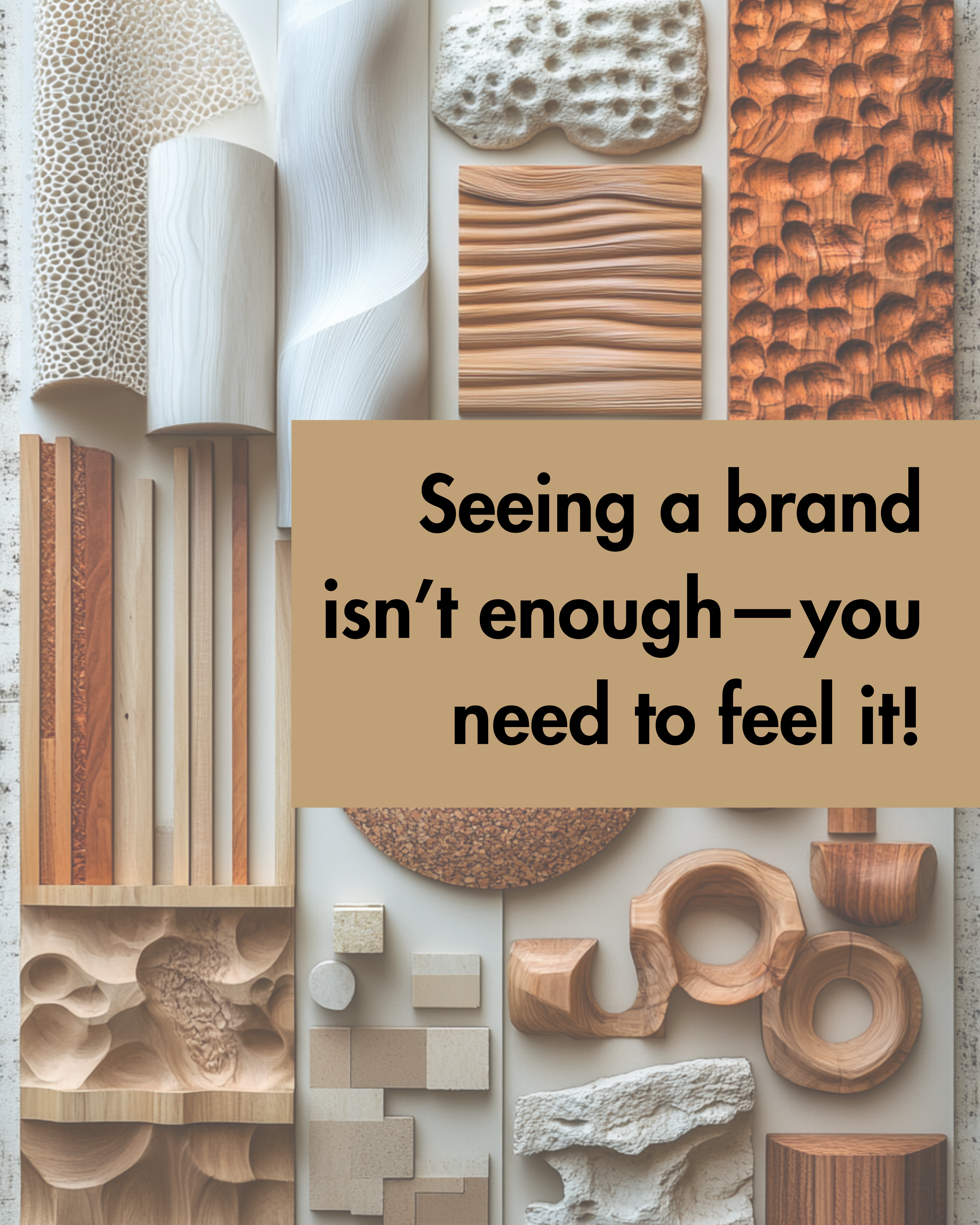
In today’s crowded market, standing out is no easy feat. For years, brands have relied on logos, colors, and sleek packaging to make an impression. But let’s be honest—people don’t just buy a product; they buy how it makes them feel. That’s where multisensory design comes in. By engaging touch, sound, and even scent, brands can create a connection that’s deeper, more emotional, and, most importantly, memorable.
Why Multisensory Branding Works
Think about the last time you walked into a store and felt instantly at ease. Maybe it was the warmth of wooden textures, the subtle scent in the air, or the gentle background music setting the mood. That wasn’t by accident—it was brand storytelling done right. When done well, sensory branding doesn’t just sell a product; it creates an experience.
- Touch & Texture: The feel of a product can instantly signal quality. Soft, matte finishes on sustainable packaging or the natural grain of recycled paper send a message of authenticity.
- Scent & Memory: Smell is directly tied to memory and emotion. A light, natural fragrance in packaging can reinforce a brand’s eco-conscious values.
- Sound & Atmosphere: Ever noticed how some brands have signature sounds? Whether it’s the crisp snap of a high-end chocolate bar or the rustling of paper bags in an organic store, sound can subtly reinforce a brand identity.
Sustainability & Sensory Design: More Than Just a Trend
Sustainability is no longer a “nice-to-have”; it’s an expectation. But simply claiming to be eco-friendly isn’t enough—consumers want to feel it.
1️⃣ Sustainable Materials That Speak for Themselves
- A product wrapped in biodegradable, textured paper feels more in line with nature than glossy plastic.
- Luxury brands are using tactile details like embossed logos and natural fibers to create a sensory-rich unboxing moment.
- Glass cutting techniques in drinkware enhance both aesthetics and experience—wine glasses with refined edges can actually change how we perceive taste, just like textured chocolate bars enhance flavor perception.
2️⃣ Bringing the Brand Story to Life
- The combination of texture, scent, and visual storytelling helps brands feel more personal and immersive.
- Think about a sustainable fashion brand: pairing rough organic fabrics with earthy scents and soft background music in a store can reinforce its eco-conscious values.
- In urban branding, elements like historic textures and local ambient sounds help create an experience that lingers in memory.
3️⃣ Consumers Buy with Their Senses
- Studies show that people trust brands more when they physically interact with products.
- Sensory-driven branding makes sustainability tangible, helping brands avoid greenwashing by demonstrating, not just claiming, their eco-friendly efforts.
Brands That Get It Right
🚀 IKEA: Making Sustainability an Experience
- IKEA doesn’t just talk about sustainability—it makes you experience it. From the natural textures of wood to the warmth of its lighting and the iconic scent of cinnamon rolls, everything in the store reflects a commitment to responsible design.
- Every choice reinforces its values, making sustainability feel like second nature.
🚀 Lush Cosmetics: A Brand You Can Smell & Touch
- Step into a Lush store, and the experience is unmistakable. The bold natural scents, the chance to pick up and try products, and the raw, no-packaging aesthetic—all tell a story of sustainability and transparency.
- It’s not just branding; it’s a sensory statement.
The Future of Multisensory Branding
With technology evolving, brands now have more ways than ever to create immersive experiences:
- Augmented & Virtual Reality: Imagine testing a product’s feel digitally before buying it.
- Smart Packaging: QR codes that provide real-time insights into a product’s sustainability journey.
- AI & Personalization: Adaptive experiences that tailor sound, scent, and touch to individual preferences.
Final Thoughts
Multisensory branding isn’t just about looking good—it’s about making people feel connected. As sustainability continues to shape consumer expectations, brands that engage the senses will not only stand out but be remembered.
💡 How do you think sensory design can make brands feel more authentic? Let’s discuss!
MarketingStrategy Sustainability MultisensoryDesign ConsumerBehavior PsychologyOfDesign SensoryMarketing BrandExperience