
My transition from the corporate world to independent creativity wasn’t just a lifestyle change—it was guided by sustainable design thinking.
Why does designing your life matter? In a world that often separates personal fulfillment from professional ambition, integrating sustainable design thinking into daily life offers a chance to bridge that gap. It’s not just about creating products—it’s about crafting a life that aligns with your values, purpose, and rhythm.
Redefining What It Means to Design
What if design wasn’t just about products, but about your entire life?
This is the question that redefined my journey from a corporate designer to an independent creator, researcher, and mother. For me, design is no longer just a profession—it’s a mindset, a philosophy, and a way of living. And sustainable design thinking is what helped me make that shift.
Leaving Corporate to Design More Consciously
After years of working for major industrial design firms, I realized something was missing. I was solving briefs, hitting deadlines, but not always feeling connected to the purpose. Sustainable design thinking showed me that good design isn’t just efficient—it’s intentional, holistic, and human-centered.
So I stepped away from the corporate path and began designing a new kind of life. One that aligned with my values and rhythms.
Motherhood & Creativity: A New Lens for Design
Becoming a mother didn’t halt my creativity—it expanded it.
It made me more observant, more empathetic, and more sensitive to the nuances of human behavior. These qualities naturally found their way into my design work.
My research today explores how children’s temperaments can be better supported by design—through colors, textures, and materials that align with emotional needs. This too, is sustainable design thinking: considering the user deeply, not just functionally.
A’ Design Award: More Than Just a Trophy
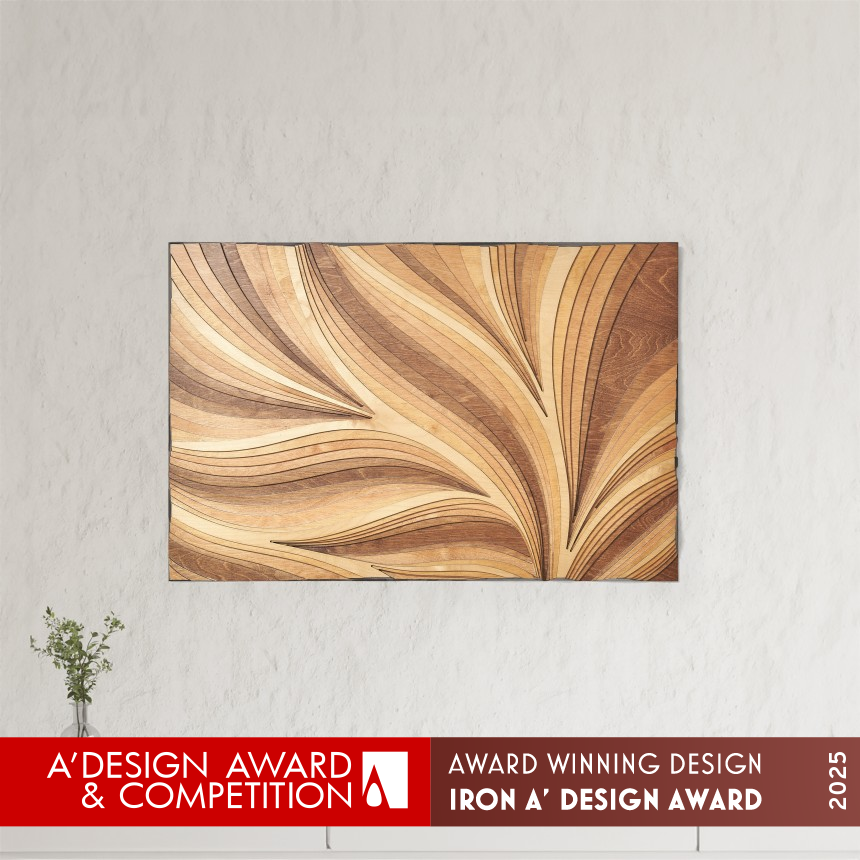
Recently, my project Parawood Collection received the A’ Design Award.
What made this award special was not just the recognition, but what it represented: a validation of slow, conscious, zero-waste design in a fast-moving world.
Each module in the piece is created from the cut-offs of the previous one, forming a material and symbolic cycle. It’s sustainability not just as concept, but as craft.
This award wasn’t a destination—it was a milestone in the journey I’m still walking: designing better, not more.

What Is Sustainable Design Thinking?
Sustainable design thinking is the process of creating with purpose, empathy, and long-term vision. It’s about:
-
Asking the right questions before jumping to solutions
-
Designing systems, not just objects
-
Using materials mindfully
-
Creating emotional and cultural relevance
-
Thinking in cycles: of use, reuse, and meaning
Whether it’s a product, a process, or a lifestyle, sustainable design thinking invites us to slow down and look deeper.
What I’m Working on Now
Currently, I’m developing a PhD project focused on evaluating existing consumer goods through a sustainability lens. The goal? To help companies and communities reflect before producing—so that what already exists can be used more mindfully.
In parallel, I’m working on a new design studio model rooted in dialogue, culture, and long-term impact. And of course, continuing to raise a small human—perhaps my most complex and rewarding design project yet.
Final Thoughts: Design as a Way of Life
Design doesn’t end when the product ships.
It continues—in homes, in habits, in conversations, and in the systems we build around it.
By applying sustainable design thinking not just to projects but to the very way I live and work, I’ve found greater clarity, joy, and impact.
So here’s my invitation to you:
What would your life look like if you designed it with the same care you give to your work?